squirrel who broke the hammock

The Squirrel Who Broke The Hammock

The limerence is over with the squirrels in my backyard.

We were having a great time in our co-housing community, or so I thought. I had just built them little platforms off the ground to eat the peanuts I set out every day. I even put up those tiny drink umbrellas to protect the peanuts in case it rained.

When we moved in a couple months ago, I was clear it was they who ruled the yard. I told them so, and felt like I acted accordingly. As soon as I noticed their presence, I began the peanut offerings. I would sit and drink my coffee, thinking we were communing quite lovingly. I even placed a squirrel sculpture, complete with baby squirrel, that my aunt had made and gifted me, right near their feeding area.

We had a thing. It felt like it was going somewhere. I thought they really loved me.

And then something happened.

Out of nowhere. No red flags. (Though, to be fair, I have missed quite a few in the past.) They seemed like old-fashioned squirrels, like Bushy, my childhood squirrel friend, who would eat out of my hands and whom I visited first thing every morning.

But this was not something Bushy would have done.

Sunday morning I went to get in my hammock, as I sometimes do when the world feels slow and I give myself more than usual permission to rest. I had recently set up another hammock and climbed into the new one, at about  9am, sun rising into the yard.

And then, boom.

The hammock fell to the ground. With me in it.

It hurt. A lot.

I knew I had set it up properly, so I was perplexed, along with dizzy and startled. I looked up and saw someone had gnawed through the rope on both ends. Not tree friction. Teeth. Deliberate teeth.

I couldn’t believe what I was seeing. In shock, I got angry and started talking to them. I couldn’t see them, but I knew they heard me. I told them it wasn’t funny. That I would not be bringing more peanuts. That it hurt. Not cool. At all.

I was fuming in this infantile way. It had “ruined” my day — the one I had planned to be productive after hammock time. Now, with dizziness and a bruised body, I needed to be horizontal. I felt sideswiped by my “friends” and turned it into a pretty wild mental ride.

From my bed, though, I tuned into my meditation class and heard what I needed to hear. The class was about karma — how difficult moments can be spiritual teachers. The old adage: if you don’t like your circumstances, change your mind about them. Be thankful for the hard times; it’s karma catching up so you can purge it, accept it, ride it out.

I began wondering about the gift in the fall. Writing this was a gift, a release, and gave me an opportunity to lean into the messages here, and share them. The fall had also kept me in bed all day and made me confront how I still have so much to learn about being able to fully rest. The unlearning of Protestant work ethic is still a work in progress. It made me reflect on how I build houses for people, and squirrels, they don’t even want or need. How I overdo it.

It made me consider how far down rabbit holes I’ve gone over hurt done by others. Former partners who snapped love nests to the ground. Or the ones I’ve gnawed through myself. How all we really have is this moment after the fall, and the choices we make about it. How we see it. How we care for ourselves. What gifts we extract from it.

Sometimes this is the quiet work we do in a coaching session, sitting together after the fall, gently untangling the story, and harvesting the gifts, without pretending it didn’t hurt.

I’m not pissed anymore at my squirrel neighbors. I’ve already started giving them more peanuts. I told them this morning that I’ve forgiven them, though I still don’t totally understand why they chose to chew off rope. Maybe some little one needed to do some filing. Bottom line, I sank into my Buddhist meditation a bit more, If that fall helped purge some harmful action from this life or the last, it was worth it. Full acceptance. 

I still don’t know what I’m going to do about the hammock. Will I put it back up? Seeing it hanging there in the trees feels important for now. Going to see what other threads come through as I watch it glow in the sun and the squirrels continue to use the trees as wildly entangled free way in the sky.

What lessons have you harvested from your falls?
What squirrels can you now be thankful for — for getting you where you are?

IMG_0299

Lessons from Ani, The Anole, During The Cold Snap

I found Ani, the anole, this past Sunday — frozen.

She was in the pile of sea grape leaves I was raking, her body turned brown, completely still. The same sea grape tree she lives in had dropped its leaves around her.

At 31 degrees that morning, I thought she was dead.

Anoles here in South Florida glow a vibrant green when they’re warm and alive in the landscape. But when the temperature drops, they go still. Under 60 degrees, their bodies can’t function well. Under 40… they can become cold-stunned.

I brought her inside.

For the first 12 hours, nothing changed.

Then one eye opened slightly.

At 24 hours, her color began returning.

At 48 hours, she had moved — barely — and climbed out of the container to hang on the leg of a stool.

She stayed there almost a full day. Completely still. Gathering herself.

I found myself talking to her about the doorway. Letting her know it would be open when she was ready.

Exactly 72 hours after I brought her in, she was perched facing the outside world. It took her nearly 30 minutes to move from inside the doorway to out of it.

And then, instinct intact, she scurried straight back to the sea grape tree.

It was a moment.

I wondered if I should have kept her longer.

What if it got cold again?

What if a hawk saw her?

What if all that tending had been in vain?

I noticed how attached I’d become.

Loving her.

Watching her come back to life.

Witnessing the slow return of color, strength, instinct.

And it had me thinking about something else.

How we, too, can become stunned by the cold ending of a relationship.

How our color changes.

How we go still.

How we need a container.

A breezeway.

A blanket.

A voice reminding us the door will open when we’re ready.

Coming back isn’t dramatic.

It’s incremental.

It’s 12 hours. 24 hours. 72 hours.

It’s hanging on the stool leg gathering strength.

It’s rebuilding a nervous system.

Reclaiming warmth.

Trusting instinct again.

And yes — sometimes loving fiercely means we risk the cold.

Sometimes relationships crash and burn.

But even knowing that, I suspect I would still love as deeply as I do.

And more importantly, I know that recovery is possible.

And I know we are not meant to thaw alone.

This is part of what I hold in coaching — a steady, warm container where you can come back to color at your own pace.

Where no one rushes you through the doorway.

Where someone is quietly cheering as your life force returns.

A refuge.

So you can eventually scurry back toward the sea grape tree, toward what most feeds your soul and warms your heart.

mockingbirdupclose

The Mockingbird on the Plumeria Tree & the Song Beneath Your Story

I had just wrapped up an inspired profile writing session and was still taking in the resilience and shine this client had shared. I went for a walk around the neighborhood to enjoy the afternoon sun and let it all settle.

About 500 feet from my house, I looked up and saw these beautiful mockingbirds, looking quite regal, perched on the bare branches of a plumeria tree. There was a single bright pink blossom blooming right where one of the birds sat.

I paused with the moment, thinking about how many times I’ve heard mockingbirds in South Florida on my afternoon walks. Not once had I seen them in such striking light or positioning. And it got me thinking about their songs.

These careful listeners take in a multitude of sounds as they look out over the landscape, and then they offer them back — refined, rhythmic, with a kind of poetic grace and ease.

That’s often how I feel when I offer profile writing support. Together, we take in the song — the sounds, the rhythms, the stories — and capture the essence each person carries in their backpack of life experiences. The ones they’ve already lived. The ones they dream of packing for. The ones that help them feel steady and uplifted along the path. And the ones they’re ready to leave behind.

We also get curious about the playlist they want to hear, and be heard in, as they move forward.

Writing a great profile is, ultimately, the art of filtering in and filtering out the soundscape you want for your life. It’s your song to sing from the depths of your heart. Your unique birdcall cast out into the universe, so that whoever is walking by feels touched by its beauty and pauses to step into the scene, just as I did when I saw these mockingbirds today.

If you’re looking for support in writing your song, I’m here. Some people feel ready to sing it out into the world for others to read. Others want to pause and write it just for themselves — as a kind of therapeutic massage, a gentle wordsmithing for the soul.

You can read more about what we do together through inspired profile writing below.

And I’d love to hear from you: when was the last time you paused while walking outside — a moment, an impression, something that stayed with you and spoke deeply? When you reply to these emails, I truly enjoy reading your words.

Thanks for being you out in the world.

sunbeam hammock

Have a Favorite Resting Spot?

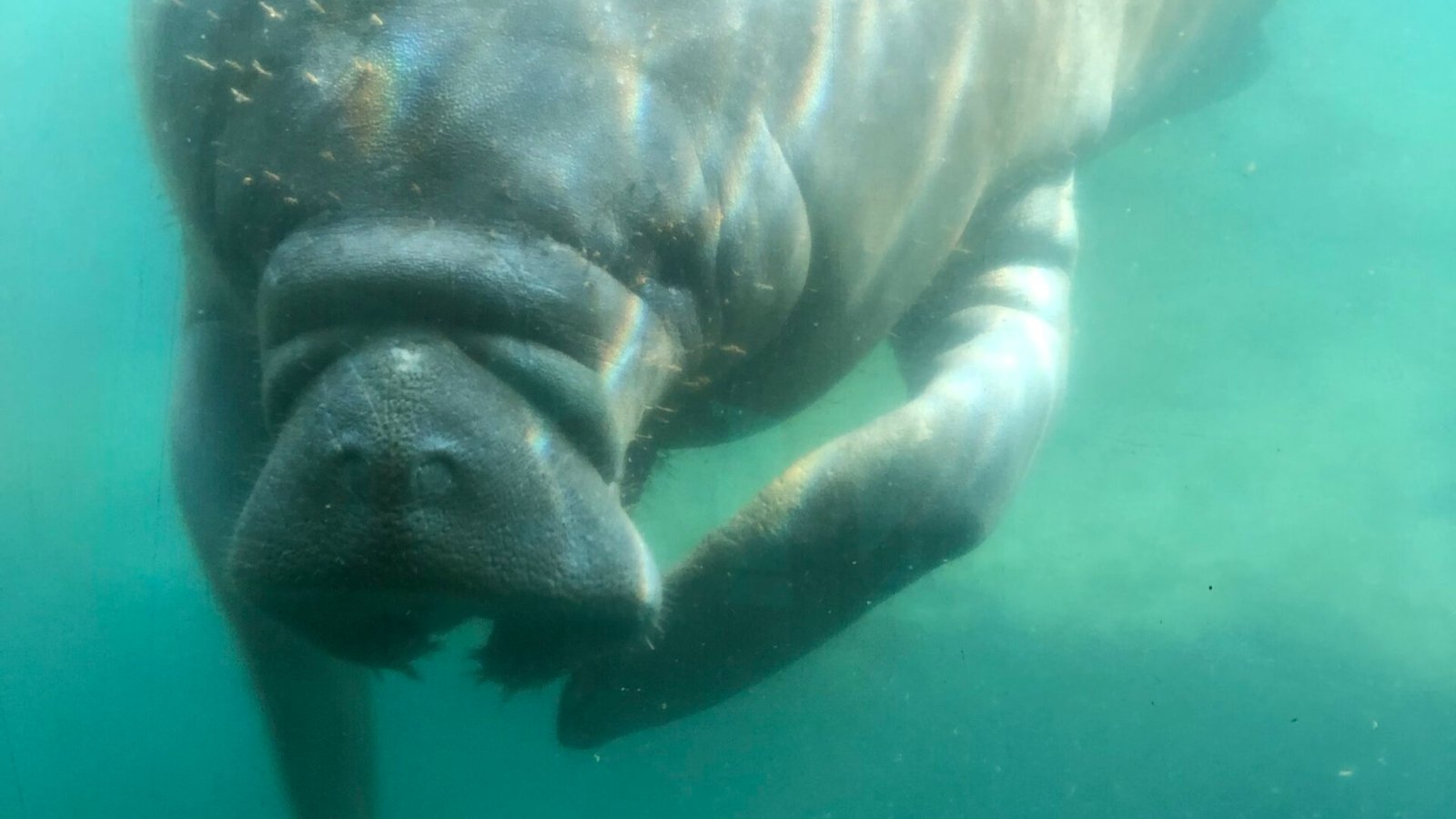
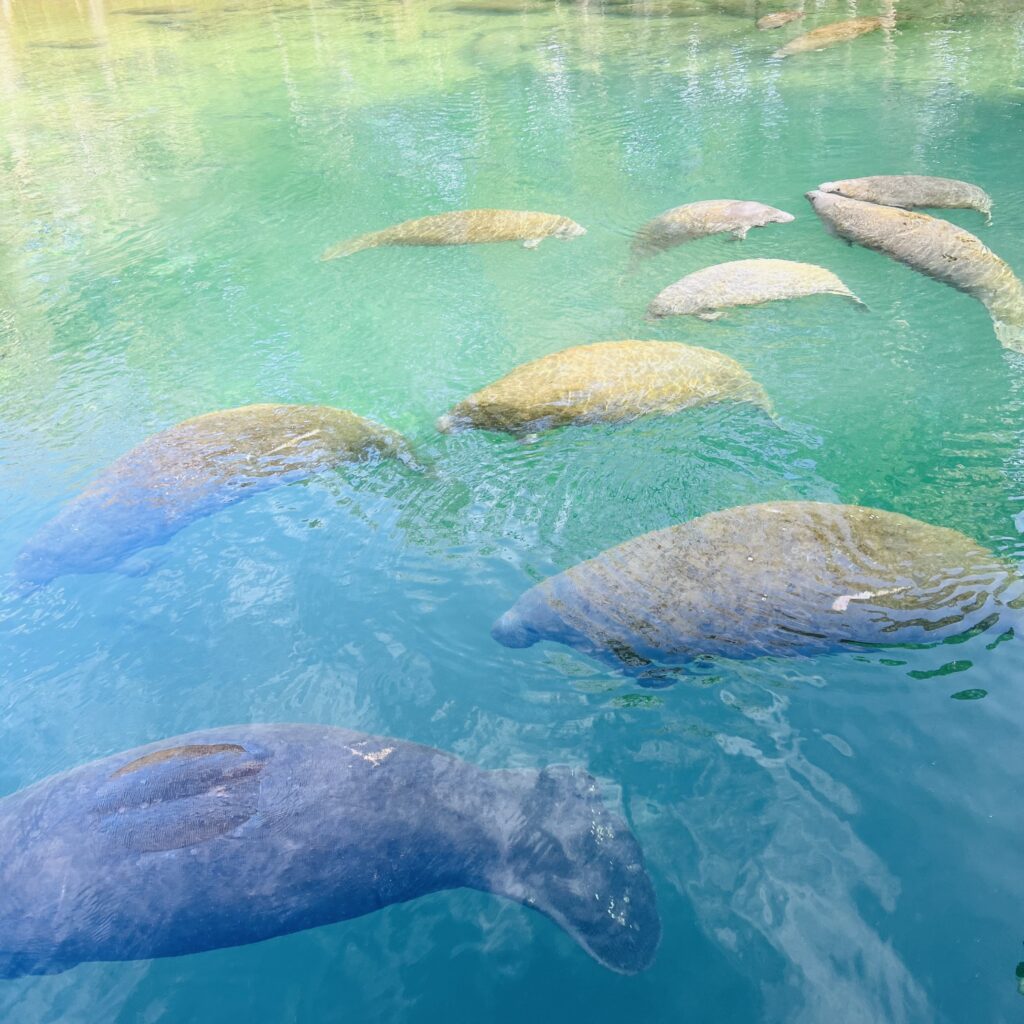
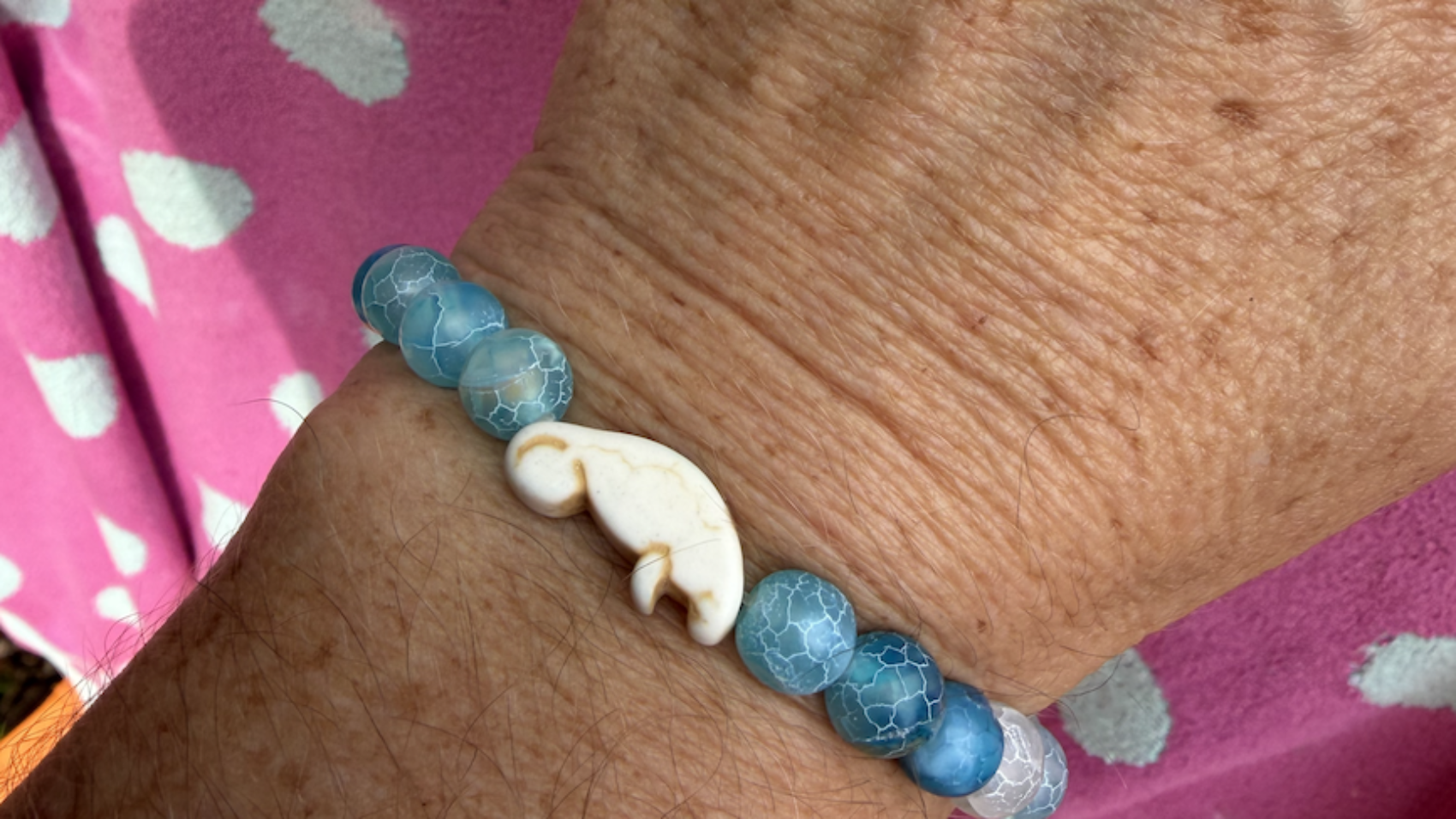
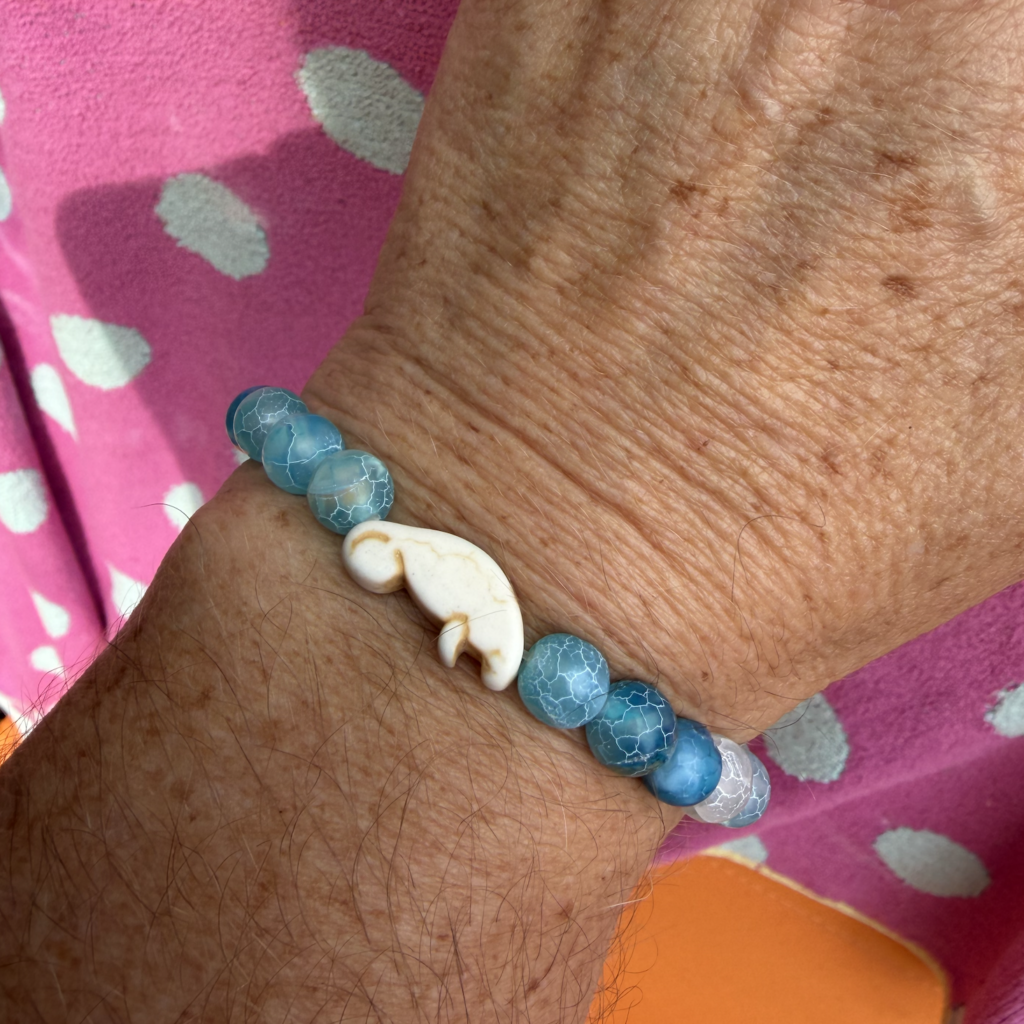
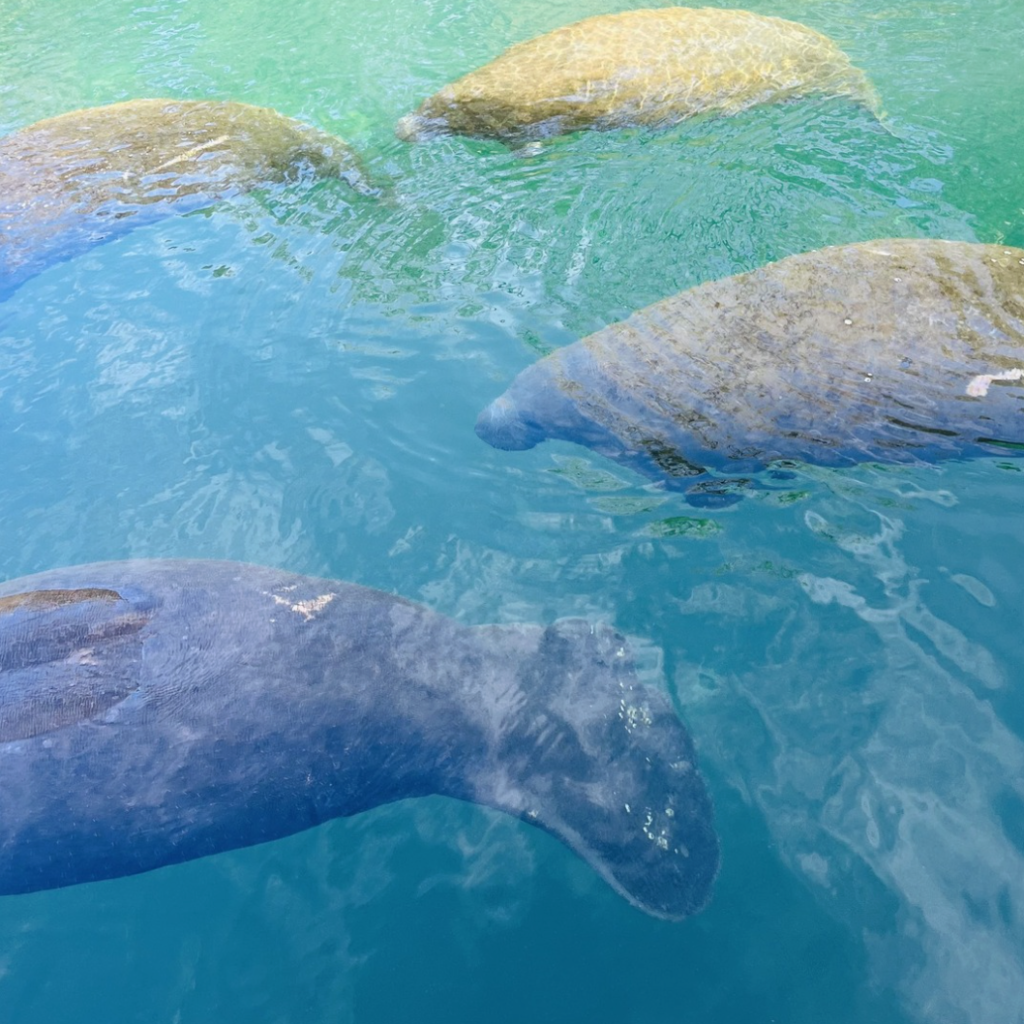
In places like this, where the morning sun lands perfectly in the hammock in my back yard, I tend to slow down enough to let in deeper thoughts and questions. Not ones that demand answers, but the kind that gently keep me enjoyable company for a while. They’re similar to the questions reflected in the Manatee Love & Connection Cards: simple on the surface, quietly meaningful underneath.

For many people, a question like Do You Have a Favorite Resting Spot? doesn’t come easily. Not because they lack imagination, but because rest itself was never modeled as something sacred, skillful, or safe.

Most of us inherited ways of living shaped by urgency, productivity, caretaking, or constant motion. Rest, if it happened at all, was often something earned after exhaustion, or something tangled with guilt.

Because of that, many adults move through their lives without a real experience of intentional refuge: places where the body can soften, the breath can deepen, and the nervous system can settle enough to hear itself again.

What I’ve learned, through years of practice and coaching, is that rest isn’t passive. It’s not the absence of effort. It’s an active relationship with safety. It’s a way to bring ourselves back home.

When we allow ourselves to create places to land, and to return to them regularly, something subtle but important begins to shift. We become a little more regulated. A little clearer. A little more available to ourselves and to others.

In my coaching work, the container itself is often one of those places to land—a space to rest, to be met in loving witness, and to gently explore what’s asking for attention without having to perform, fix, or rush.

Wherever you are this week, may you find a place to land.

May your nervous system feel a little more supported.

May you create—or rediscover—the refuge your body and soul needs.

seagull sunrise

Lesbian Love Tips From Seagulls

Many of the people I work with have been out dating in what I often call the lesbian seas.

They’re courageous. Open-hearted. Willing to love.
And more than a few of them have been stung.

They come to coaching after relationships that were both beautiful and painful, connections that shimmered on the surface but carried hidden barbs underneath. By the time they reach shore, they’re often tired, unsure, and wondering how to stay open without getting hurt again.

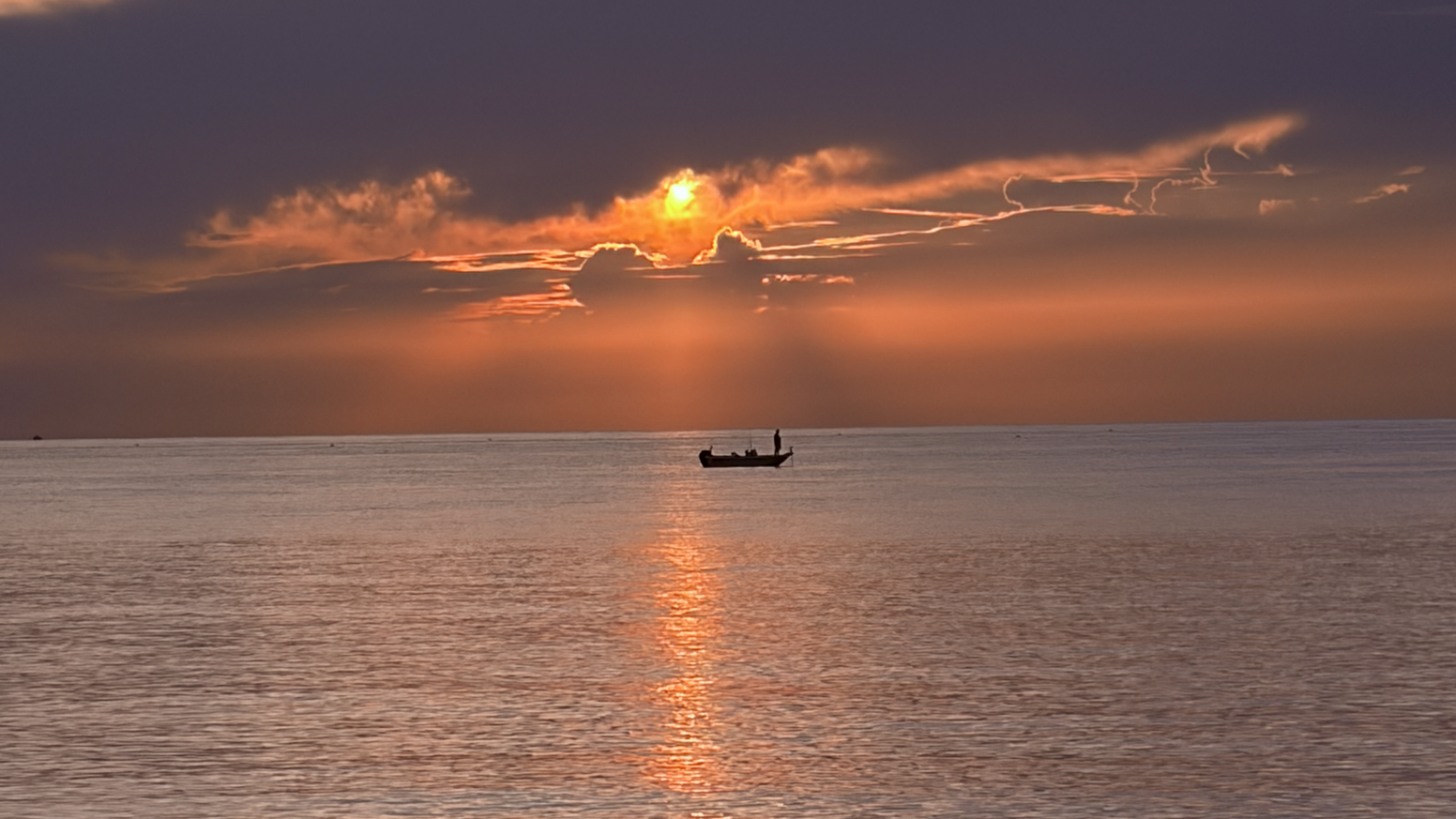
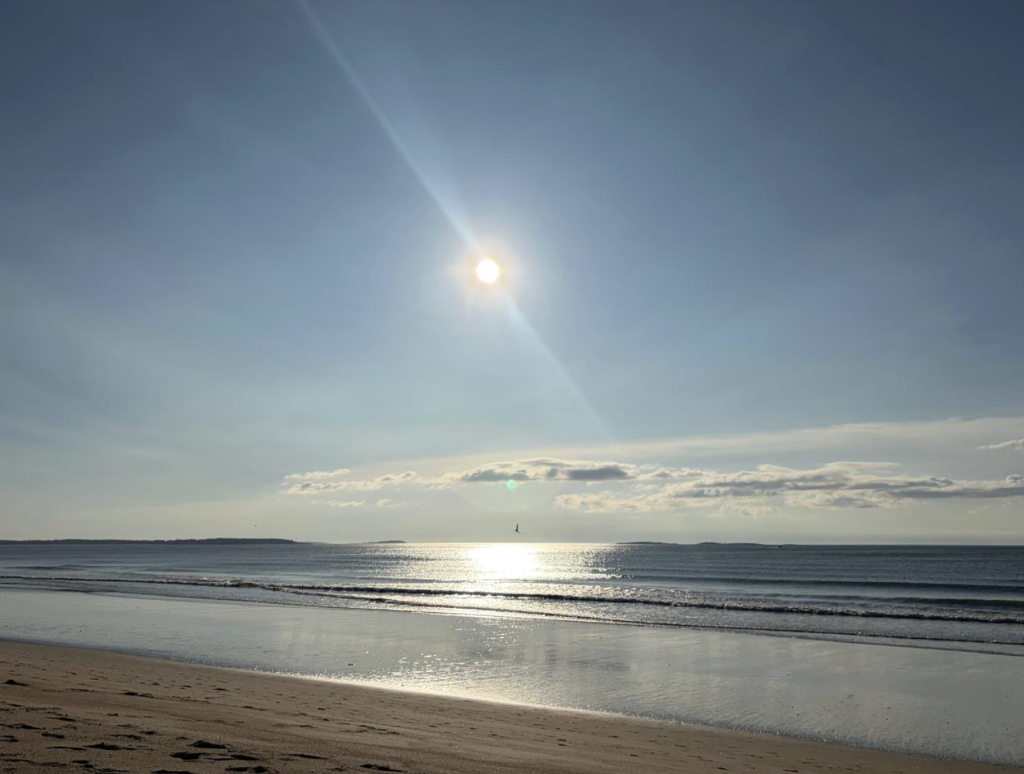
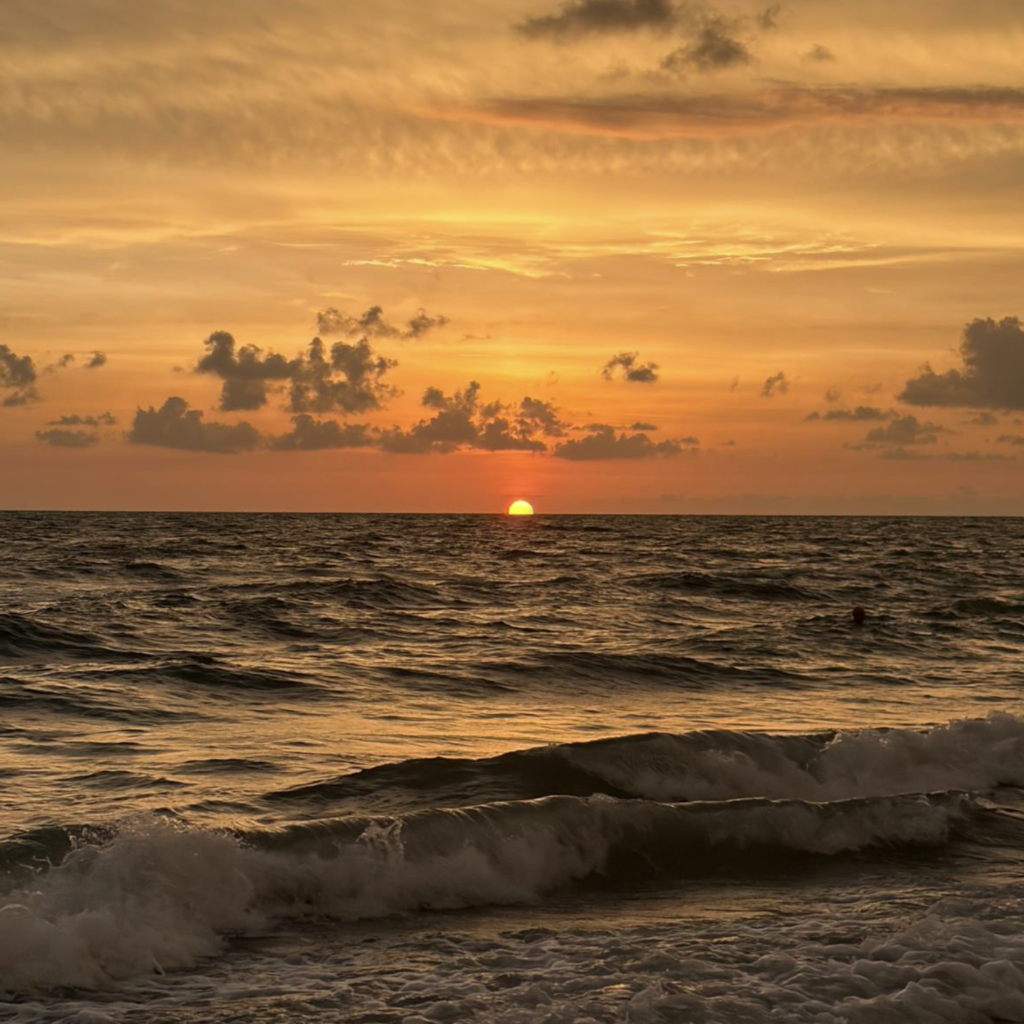
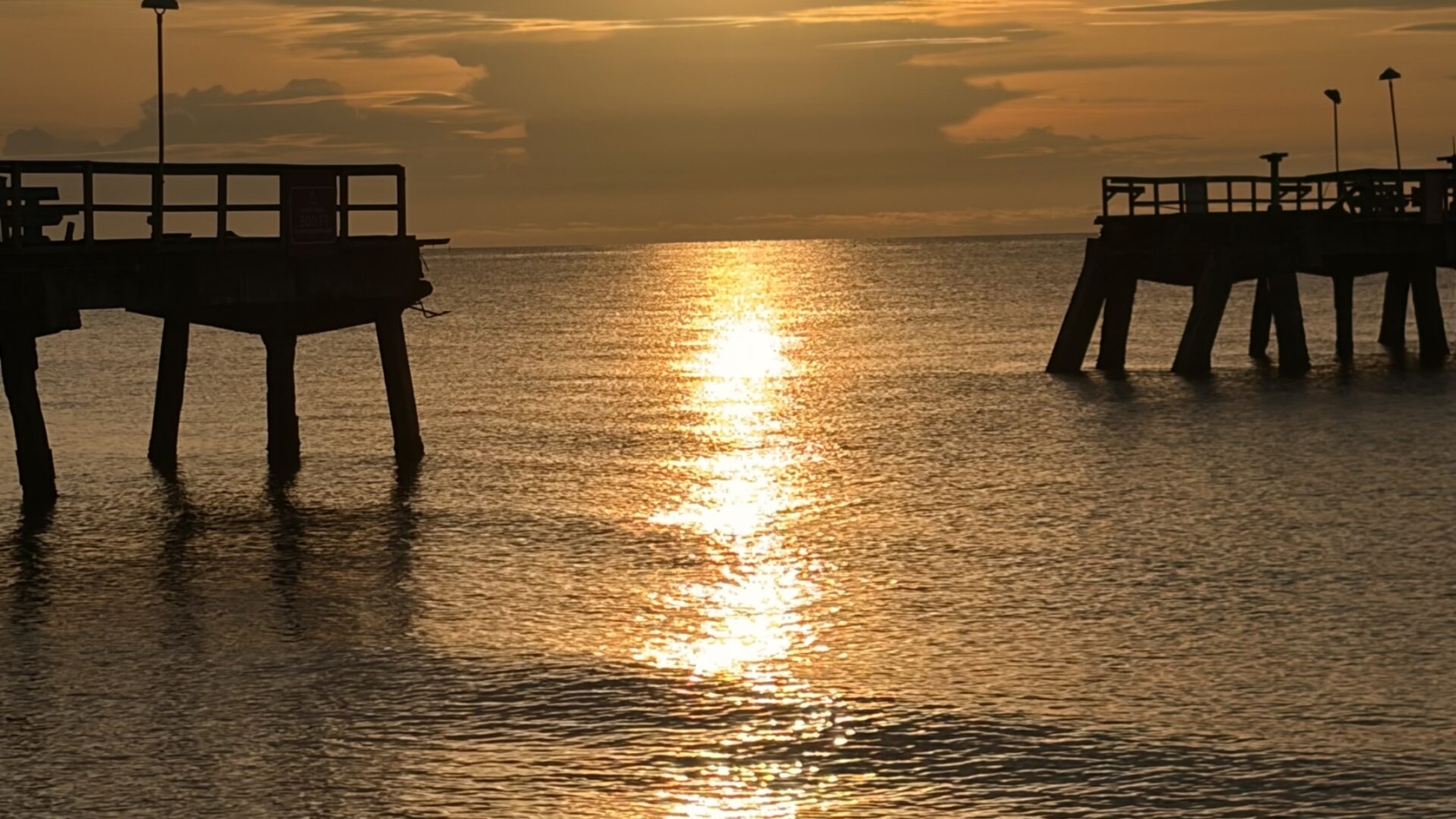
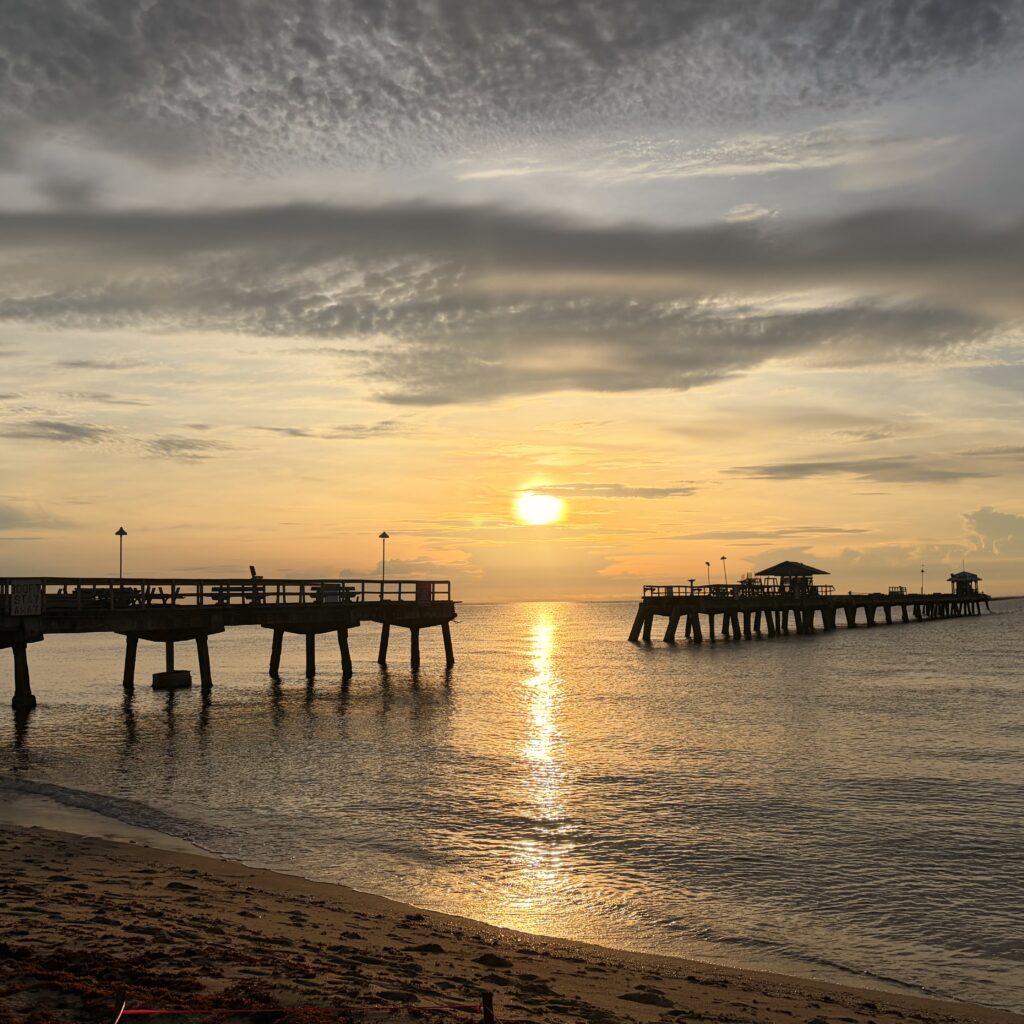
This morning, sitting on the beach at sunrise, I watched the seagulls gather in soft circles near the shoreline.

They were flying with such grace,  hovering and spinning gently above the coastline, seeking food, and wisely choosing not to throw themselves into danger.

They knew which currents were theirs to ride, and which were better observed from the air or from shore.

Nearby, many Portuguese man o’ war had washed in with the incoming eastbound winds.

Translucent. Striking. Adrift in the sand, with an almost otherworldly beauty.

And deeply painful, too, if you don’t know what you’re looking at.

That’s what discernment in love looks like.
Not closing your heart.
Not forcing yourself back into the water before you’re ready.

But learning how to recognize what is nourishing — and what might require distance, information, or protection.

In my coaching work, some of the central skills we practice are:

  • How to move with intimacy intelligently
  • How to trust your sensitivity without letting it be exploited
  • How to read the relational waters before diving in

Watching the seagulls this morning, I was reminded that wisdom doesn’t rush.
It hovers. It observes. It chooses.

When we allow ourselves the same spaciousness, we often discover that we already know which currents are ours to ride.

IMG_0341

Catfish, Coaching & Clear Water

A week ago, in one of my favorite Florida springs, I found myself mesmerized by the fish drifting through that crystal-clear blue-green water, especially the bullhead catfish. They’re these sturdy, whiskered beings that feel almost prehistoric, like they carry whole stories in their bodies. They gather together quietly, almost like a group meditation circle. And when they do move, it’s with such groundedness, as if they know exactly who they are and have nothing to prove.

And of course, in true lesbian-dating-metaphor fashion, my mind went immediately to catfishing in the online world. The way the “waters” out there can become murky, confusing, or straight-up distorted. How easy it is to think you’re seeing something clearly when, underneath the surface, the currents tell a different story.

But watching these real catfish — the actual catfish — something softened. Because catfish in nature aren’t tricksters. They’re just themselves: steady, honest, visible in the clear spring water. They belong to an ecosystem where everything is simply what it is. No disguises. No confusion. Just fish being fish.

And it struck me how much this mirrors the experience many of my clients bring into coaching:

the longing for clarity, for truth, for a place where the water finally becomes clear enough to see what’s actually there.

Because life — whether dating, relationships, big decisions, or inner thresholds — can get murky.

Signals get mixed. Old patterns cloud perception. The surface looks smooth, but underneath, something feels off. And it’s hard to know what to trust.

Coaching becomes its own kind of spring-fed ecosystem — a space where the silt can settle and you can finally see yourself clearly again. A place where you can look at your desires, your boundaries, your patterns, and your possibilities without distortion. A place where you’re not swimming alone, trying to make sense of currents you can barely name.

In clear water, you can tell which parts of you are the “catfish,” the grounded, honest ones, and which parts are old survival strategies pretending to be something else. You can distinguish what’s truly you from what’s just habit or fear or someone else’s voice in your head. And you can begin to orient toward the people and choices you truly want beside you.

In this Florida natural spring, you can literally see that clarity, the Florida Gar, long and elegant like underwater dragons, or the Bluegill Sunfish shimmering in electric blues and yellows, each one unmistakable for what it is.

Imagine if your inner world felt more like that….

Crystal water. Your nervous system relaxed. More clarity and belonging to yourself.

That’s what coaching offers:

A protected, spacious place where you get to meet yourself again. Where you learn to trust what you see.

Where patterns become clear instead of overwhelming. Where you can move through transitions, relationships, dating, grief, or growth with someone right beside you — witnessing, guiding, grounding, and reflecting your strengths back to you.

Together, we can sort out what’s real, what’s residue, and what’s possible — and help you swim in clearer waters that actually support who you’re becoming.

If you’re ready for more clarity, more groundedness, and more trust in yourself as you navigate your next chapter, I’m here.

Let’s wade in. The spring is waiting.

papaya

Lesbian Love Like a Ripe Papaya

I’ve thought a lot about papaya. In 1995, after a brutal, gut-wrecking bout of giardia in Baños de Agua Santa, Ecuador, the sisters I worked alongside at a bed and breakfast, Rosita and Margot, handed me a spoonful of papaya seeds. “Bite and swallow,” they smiled. I gagged at the bitterness, did it anyway, and healed. For almost two years, they guided me with water, herbs, and fruit back to vibrant stomach health. Papaya became my go-to lover for my tender, North-American-in-a-new-ecosystem belly, and I began to study, court, and embrace all of her.

I’ve been thinking about papaya as it relates to lesbian dating & love, and how my life would have been different had I dated the same way I select papayas. At the market, I don’t grab the first papaya I see. I lift and listen in. I check for tenderness and strength, notice sunspots and soft bruises, sense ripeness by feel and scent. I imagine the seeds inside, the sweetness to come from that fruit, and I’m willing to leave a hundred papayas on the shelf to find the one that’s right for me today, even if that means walking out with empty hands.

I notice the same lessons echo through my work as a coach. It’s more common than not that women wander into lesbian dating & relationships ravenous, grab what’s on the front display, try to make it work, cut away the bruises, call it “good enough,” and then wonder why the meal is short, unsatisfying, or makes them feel sick. It’s like there’s an ingrained lesbian scarcity-shopping mentality, as if this is the only papaya you’ll ever find, so you take home whatever’s up front and try to make it fit.

The art is discernment, especially when hunger, tantalizing chemistry, and the urge to lesbian fuse are loud. It’s the pause at the bin. It’s trusting you can set one down and keep looking. It’s letting your hands learn ripeness over time. Dating can be like that too — measured connection and intimacy, honest check-ins, noticing weak spots before you’re all in, trusting there are more good options than the one right in front of you.

This is where coaching helps. Think of me as a modern-day Rosita/Margot on your dating-and-relationship aisle—steady eyes, gentle humor, practiced heart. Together we slow the pace, tune your senses, and relearn how to choose, so you can stop “scarcity shopping” and start selecting what truly nourishes your heart and life.

If you’re ready to pick for sweetness, not panic, I’m here. It’s time to create and nourish the ripest papaya of your lesbian love life—the one that’s medicine for your system and a real match for your inner and outer ecosystems.

pieces of coral together

The Coral Reef of Your Lesbian Life

Walking the ocean’s edge today, I picked up a piece of coral, two species, finger and star, fused together, something I hadn’t seen before. I thought about how they had broken off from something, at some point, in some storm, and then intertwined into something neither could have created alone.

Holding it in my hands, I thought about the hundreds of stories I’ve heard from women right at the edge of a breakup they knew was coming and wished desperately wasn’t, or who were right off the shore of one, newly broken off and trying to breathe again.

In my work as a coach, I’ve sat with many women as tears pour out of their eyes, listening to the tremor in a voice as it describes the landscape they are losing, the home & future they built inside another person. I’ve watched bodies shake and rock in the chair, because the pain feels unbearable. Yet there they are, facing reality and shaking out the fears.

I’ve also been those women. I remembered the times I felt the uncertainty of being swept out to sea alone, nothing familiar in sight, nothing solid to hold onto. I especially remember the depths of that pain, when I was early in my coming out days, when I didn’t think any other love was possible. Believing that I’d lost my one chance at love and couldn’t face the world alone. I remembered all the times I cried my way into, through, and post inevitable breakups—the inexhaustible tears, the ways my brain turned trying to think of any way to make it work.

Life storms shape us in ways we never ask for and rarely expect. They can crack us open, break us off from places we clung to, and send us drifting toward completely new ecosystems. And yet what I remembered this morning, holding this coral in my hands, is that the ocean teaches how being broken off is sometimes how we find where we truly belong.

The lesbian sea is deep and wide. We often think we’re the only ones floating out there, hurt, scared, separated from what felt like home, until that moment when we finally let go of what’s ending. Only then can we start to heal those broken pieces, and eventually notice others nearby, other coral fragments carrying their own history, their own storms, their own brilliance.

If you’re in that tender place, I’m here. Coaching can be the gentle inlet where you catch your breath, sort the wreckage from the treasure, and choose your next waters with care. The coral reef of your lesbian life is infinite. We get to rebuild it—piece by piece, heart by heart—finding new places where you’re held, protected, and connected again.

wave

Being On The Same Kind Of Wave

I’m a water lover and I often think in tides and currents. Sitting with a dear friend recently, I realized we’re riding very different waters. She’s reached a sun-warmed bay, after decades of work and parenting behind her, floating in and out with soft ease. I’m on a different run, kind of like a river with class-V stretches and brief eddies to catch my breath. I’m mothering a tween, working full time, building projects, still bailing after old storms. 

As a coach, I see how much this matters when choosing who to love and be loved by. Some waterways harmonize, while others don’t, at least not right now. There’s no blame in the waters not mixing well, just different currents, rides and waves to catch. Talking about the kinds of waves, rivers, rapids, streams, bays, inlets you are on while dating is an important part of exploring if you can ride the current well together.

And how beautiful it is to be able to honor the wave you’re on – to really claim it as your own. And be with people who can handle your kind of rapids, who won’t shame you for not bobbing in a bay, who hand you a dry bag and cheer from the bank. If you’re in a floaty or have your back stretched out on a noodle in warm water, it’s okay to choose someone who can float beside you, no need to tether yourself to every craft that drifts through. Some boats are for friendship, while mixed water craft can work with clear pacing, shared expectations, and kind boundaries.

As a way to honor yourself, really take a moment to consider what water you are in, what kind of water craft or crafts you’re maneuvering, and who rides well beside you right now. To be able to filter in and filter out that which would most support you with a safe and comfortable rhythm and ride is one of the gifts you can give yourself.

hurricane_seashells

Recovering Treasures After The Storm

The day after Hurricane Helene swept through, I walked down to the shoreline. I was stunned by the new shells scattered across the sand,colorful piles inches high, forming a sparkling seashell pathway. Amidst the destruction, nature had revealed unexpected beauty.

Storms are like that. They tear apart, but they also cleanse, reshuffle, and reveal treasures we couldn’t have seen before.

For many of us, our relationship lives have felt like that, too. A breakup, betrayal, or long stretch of upheaval can feel like being tossed around in a hurricane. I know that feeling deeply as I’ve weathered my share of Category 5 “relationship storms.” And just like walking the beach after Helene, I also know the gifts that can appear on the other side, the insights, resilience, clarity, and the chance to build something stronger.

That’s why I coach. I help lesbians and queer women sort through the wreckage of the storm, notice the treasures that have washed ashore, and begin to rebuild with stronger foundations. Together, we explore questions like:

  • What drew me into that storm and what kept me there?

  • What are my unique vulnerabilities, based on my history?

  • How do I reset my inner compass to forecast healthier love?

  • How can I clear the debris and build something new, true, and resilient?

The seashells reminded me that beauty always remains, even after devastation. Coaching is the process of finding those shells, naming them, and using them to chart a new path.

If you’re emerging from a relationship storm, or you want to strengthen your “inner weather forecaster” before the next one,I invite you to explore working with me. 

And finally, much love to those affected by natural and relationship disasters in very real ways. May we support one another in making our communities stronger, more resilient, and more loving.